Tube fabrication in NZ continues to evolve with digital engineering workflows and CNC-driven processes that improve accuracy, speed, and repeatability. Modern fabrication teams support projects across Australia, New Zealand, USA, Canada, Europe, Asia-Pacific, and China, delivering scalable solutions for industrial automation, structural systems, and mechanical integration.
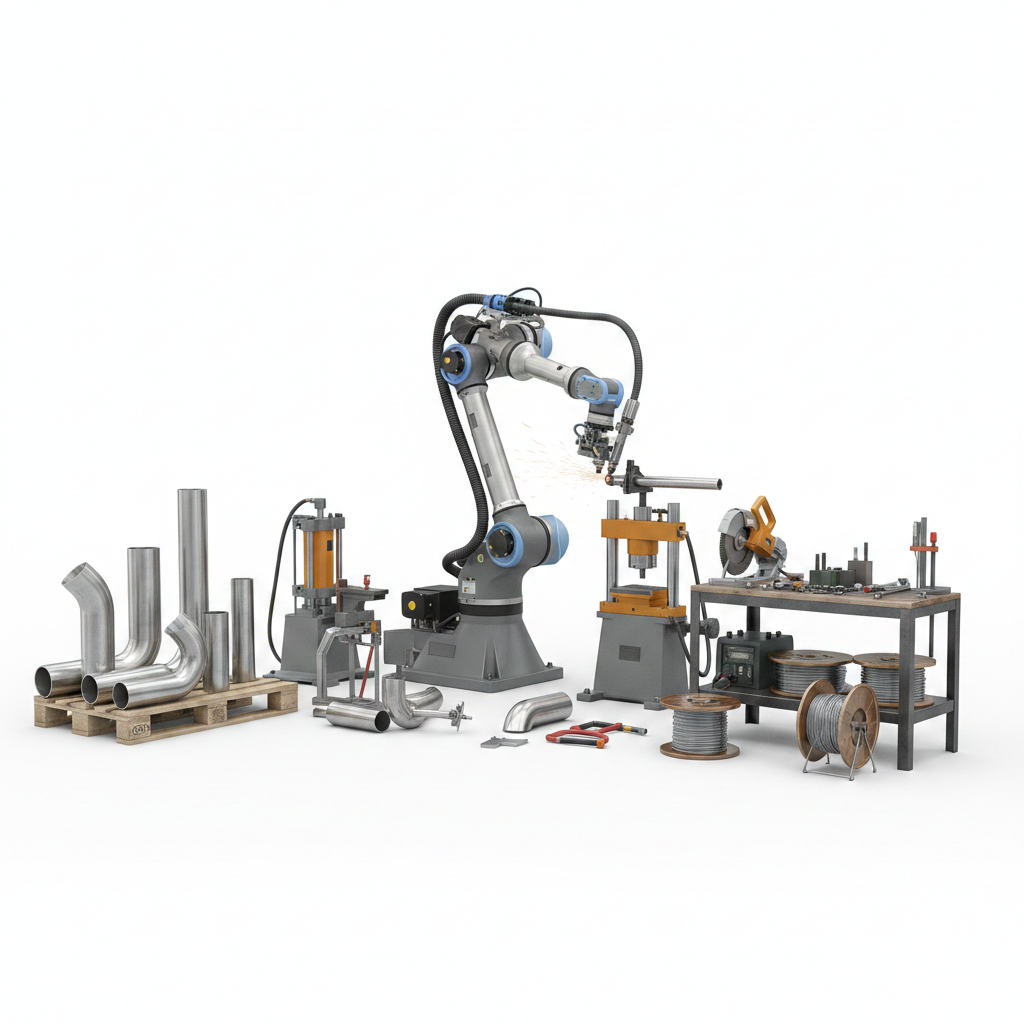
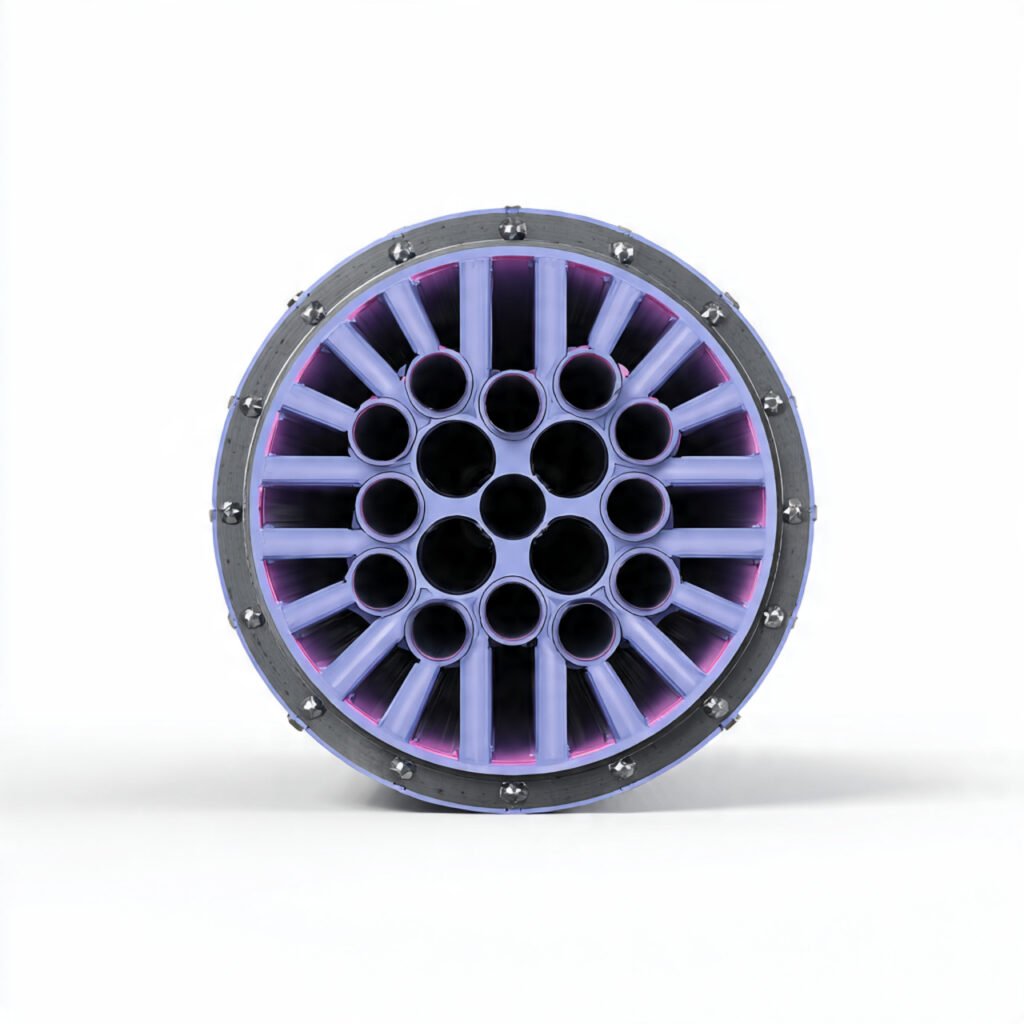
Today’s tube fabrication in NZ focuses on durability, dimensional precision, and material optimisation. Engineers combine bending, laser cutting, and welding techniques to create frameworks that maintain structural strength while reducing unnecessary weight. This approach ensures compatibility with demanding environments such as energy facilities, heavy equipment systems, and automated production lines.
Modern tube fabrication in NZ combines CNC bending, laser cutting, and advanced welding to deliver consistent structural accuracy across demanding sectors.
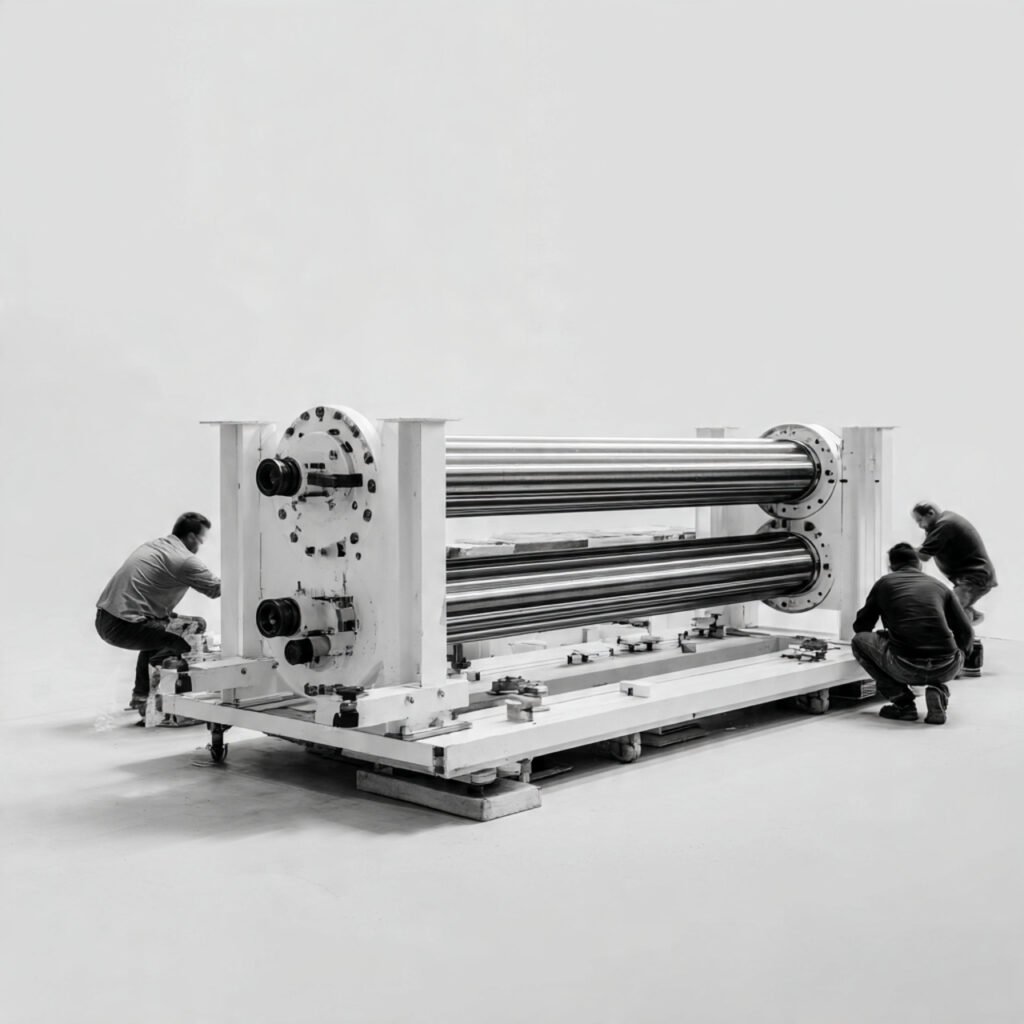
Modern workflows begin with CAD-based modelling, allowing precise measurement before fabrication begins. CNC tube bending machines produce consistent curves and angles, reducing errors and improving assembly alignment. Laser cutting enhances edge quality and supports complex geometries required in custom engineering designs.
| Fabrication Process | Purpose | Industry Benefit |
|---|---|---|
| CNC Tube Bending | Accurate shaping of metal tubes | Stable structural alignment |
| Laser Cutting | Clean edges and complex designs | Reduced finishing time |
| Robotic Welding | Strong, repeatable joints | Improved durability |
| Surface Finishing | Smooth texture and corrosion resistance | Longer product lifespan |
By integrating these methods, tube fabrication in NZ achieves repeatable production cycles that meet strict international engineering standards.
From automation frameworks to heavy equipment assemblies, engineered tube systems improve durability, alignment stability, and long-term operational efficiency.
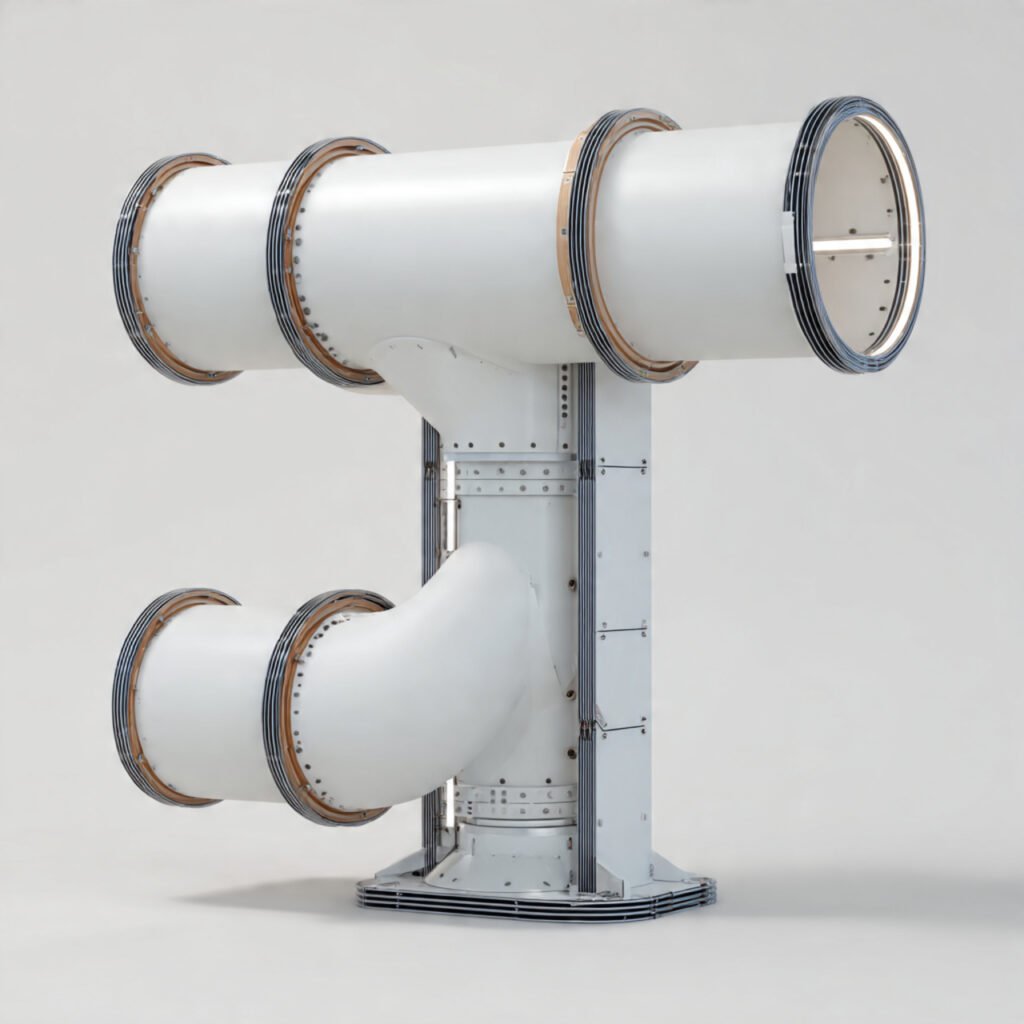
Industries depend on fabricated tubes for structural frames, conveyor systems, support brackets, and modular machinery. The combination of strong materials and accurate fabrication allows components to maintain performance under vibration, load pressure, and environmental stress.
| Application Sector | Tube Fabrication Role | Key Advantage |
|---|---|---|
| Industrial Automation | Machine frames and supports | Precise motion control |
| Construction Engineering | Structural tubing | High strength-to-weight ratio |
| Energy & Mechanical Systems | Pipe routing and supports | Reliable long-term performance |
| Custom Engineering | Prototype frameworks | Flexible design adaptation |
Reliable tube fabrication in NZ helps reduce maintenance costs because consistent weld quality and accurate dimensions minimise stress points during operation.
New Zealand industries increasingly rely on scalable fabrication workflows that integrate digital design, repeatable machining, and strict quality control.
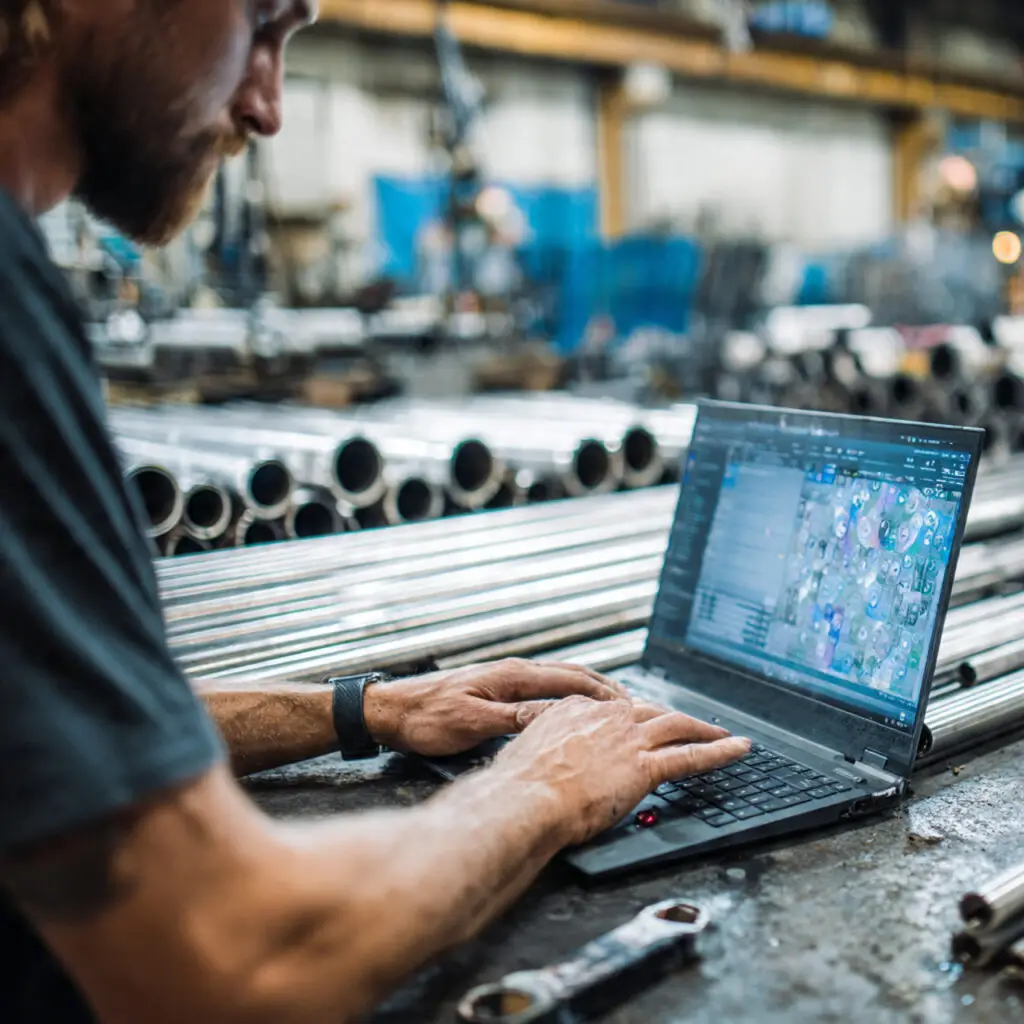
Digital inspection tools now verify measurements throughout the fabrication process. Engineers track tolerances, material thickness, and weld integrity to ensure every component meets required specifications before shipment. This workflow supports large-scale projects while maintaining consistent fabrication quality.
| Quality Stage | Method Used | Result |
|---|---|---|
| Design Validation | CAD Simulation | Reduced fabrication errors |
| Material Inspection | Thickness & composition checks | Consistent strength |
| Weld Testing | Visual & structural analysis | Stronger joints |
| Final Inspection | Dimensional verification | Accurate installation |
Because of these advancements, tube fabrication in NZ delivers solutions that scale from small custom builds to large international engineering projects without compromising precision.
Precision tube fabrication in NZ focuses on dimensional accuracy, material strength, and smooth finishing to meet international engineering standards.
Precision planning ensures every tube segment aligns correctly during assembly, reducing downtime during installation. High-quality finishing techniques improve corrosion resistance and enhance visual consistency across industrial structures.
Advanced fabrication planning allows complex tube geometries to be produced efficiently for construction, energy, and mechanical integration projects.
Engineers use simulation tools to test stress points before production begins, helping projects maintain efficiency while controlling material usage and fabrication timelines.
Choosing an experienced tube fabrication partner in NZ ensures reliable turnaround times, reduced material waste, and consistent performance across global projects.
A well-structured fabrication workflow improves supply chain coordination and supports international delivery requirements, helping engineering teams maintain predictable project schedules.