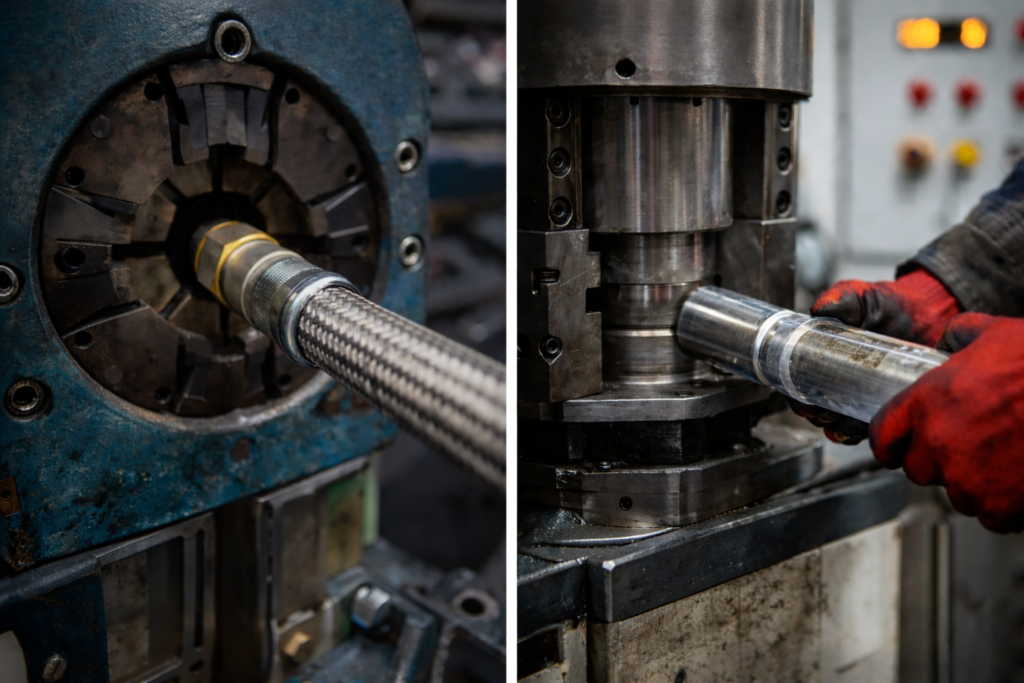
Swaging services on Industrial manufacturing sectors across Australia and New Zealand rely on precision metal forming processes to produce strong and reliable components. Among these processes, swaging plays a key role in shaping metal tubes, fittings, and connectors used in heavy equipment and hydraulic systems.
Swaging involves compressing metal using specialized dies or hydraulic machines to reduce or reshape its diameter. The process creates tight mechanical connections without cutting or removing material, making it highly effective for producing durable industrial components.
For industries working with hydraulic equipment, construction machinery, and structural metal assemblies, swaging ensures consistent strength and dimensional accuracy.
Why Swaging services Is Important for Industrial Equipment
Modern heavy machinery depends on components that can withstand extreme pressure, vibration, and mechanical stress. Swaging improves the strength of metal parts by maintaining the natural grain structure of the material while reshaping it.
In many manufacturing applications, swaging replaces welding or threaded connections. The result is a cleaner, stronger, and more reliable joint.
Industrial sectors in Australia and New Zealand commonly use swaging services for:
- Hydraulic hose fittings
- Metal tube assemblies
- Steel cable terminations
- Structural metal connectors
- Machinery component fabrication
These applications require precise forming techniques to ensure reliable performance in demanding operating environments.
Swaging services in Hydraulic and Heavy Equipment Systems
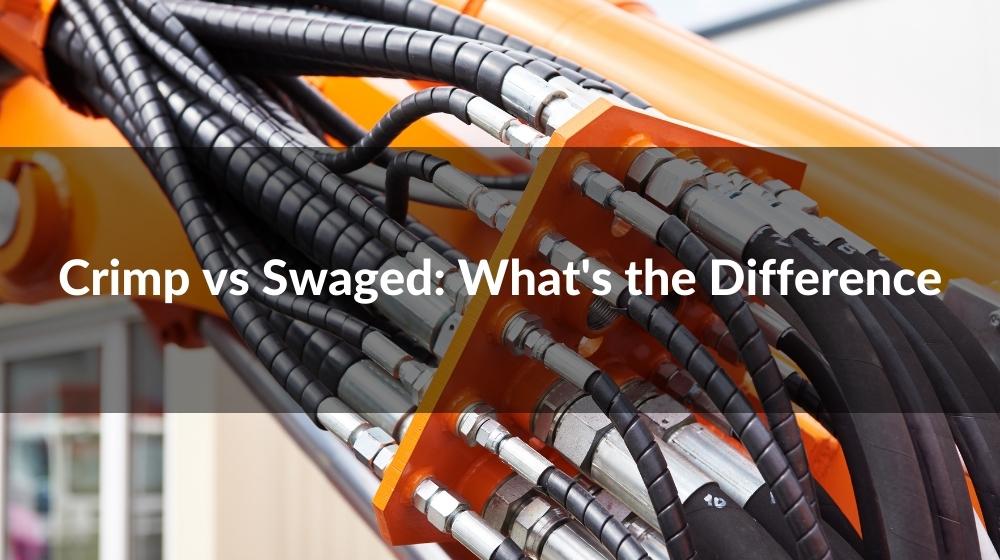
Metal swaging enables manufacturers to produce components with highly controlled dimensions, ensuring parts integrate accurately within complex machinery systems. This level of precision is especially important for industrial sectors operating across Australia and New Zealand, where equipment must perform reliably in demanding environments such as mining, construction, and heavy engineering.
In modern industrial manufacturing, swaging remains a critical metal forming technique. The process reshapes metal without removing material, preserving structural integrity while improving strength and durability. Because of this capability, swaging plays an important role in the production of heavy machinery parts, hydraulic components, and other load-bearing industrial equipment
In addition, swaging improves material efficiency by forming metal through controlled compression rather than cutting or machining away excess material. This approach reduces waste while enhancing the internal grain structure of the metal, resulting in stronger and more durable components. For industries that rely on high-performance machinery, such as mining, construction, and hydraulic equipment manufacturing, swaged parts contribute to longer service life, improved operational stability, and consistent performance under heavy loads.

Hydraulic systems are widely used in industries such as mining, construction, agriculture, and infrastructure development. The components within these systems must be able to handle high-pressure fluid transfer without leakage or mechanical failure.
Swaging services is commonly used to manufacture fittings and connectors that secure hydraulic hoses and tubes. These connections must maintain their strength even under continuous vibration and pressure fluctuations.
Because of its reliability, swaging is frequently applied in the production of hydraulic cylinders, industrial fittings, and heavy equipment assemblies used throughout Australia and New Zealand.
Benefits of Precision Metal Swaging services
Swaging offers several technical advantages that make it ideal for industrial component manufacturing.
One of the primary benefits is improved mechanical strength. Since the process compresses rather than cuts the material, the structural integrity of the metal remains intact.
Swaging also allows manufacturers to achieve consistent dimensional accuracy, which is essential for components that must fit precisely within machinery systems.
Other advantages include:
- Strong mechanical connections
- Reduced need for welding
- Improved durability under mechanical stress
- Efficient production of tubular metal components
These benefits make swaging a preferred metal forming technique in many industrial manufacturing environments.
Supporting Industrial Fabrication Projects in Australia and New Zealandhttps://kinetixfabworks.quora.com/
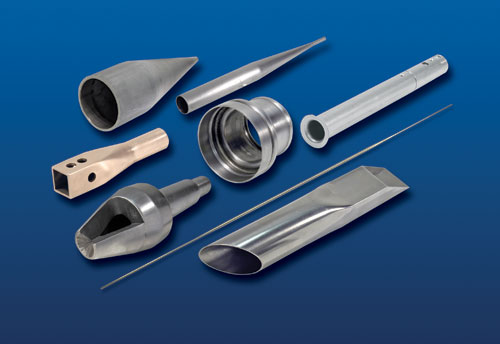
Industrial fabrication projects across Australia and New Zealand often require specialized manufacturing processes capable of producing reliable metal components for demanding machinery systems.
Kinetix FabWorks provides fabrication support for industrial applications involving hydraulic equipment, structural metal components, and precision machinery parts.
By combining advanced fabrication techniques with precision metal forming processes such as swaging, the company contributes to the manufacturing of durable components used in heavy equipment and industrial systems.
Swaging as a Reliable Metal Forming Technology
Swaging services continues to be an essential manufacturing technique in modern industrial engineering. Its ability to reshape metal while maintaining structural strength makes it particularly valuable in heavy equipment and hydraulic component production.
For industries operating across Australia and New Zealand, precision metal forming processes help ensure that machinery and equipment maintain reliable performance under demanding working conditions.
Through advanced fabrication and engineering expertise, Kinetix FabWorks supports industrial manufacturers requiring durable and precision-formed metal components.

Kinetix FabWorks delivers reliable swaging services across New Zealand with precision engineering and consistent quality. Their team ensures strong, secure connections for hydraulic and industrial components using advanced swaging technology. Businesses that require durability, accuracy, and dependable fabrication solutions can confidently rely on Kinetix FabWorks for professional swaging support