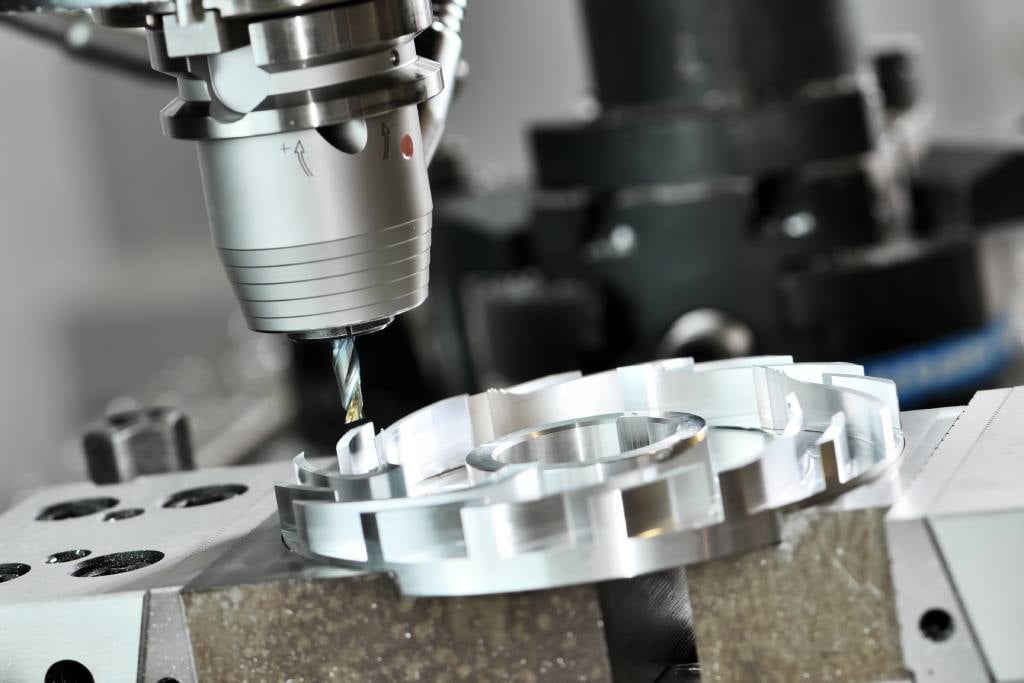
CNC milling in NZ has evolved into a high-precision engineering solution supporting industries that demand reliability, tight tolerances, and scalable production. Modern CNC milling combines automation, advanced tooling, and digital programming to deliver consistent machining performance across complex industrial components.
For businesses across New Zealand, precision CNC milling reduces production errors, improves surface quality, and enables efficient fabrication of both prototypes and high-volume parts.
Why CNC Milling Services in New Zealand Matter

Local CNC milling expertise ensures faster turnaround times, consistent quality control, and strong technical collaboration during fabrication projects.
Companies in NZ benefit from:
- Advanced multi-axis machining for complex geometries
- Stable dimensional accuracy across production batches
- Reduced material waste through precision toolpaths
- Engineering flexibility for custom fabrication projects
These advantages make CNC milling a preferred solution for manufacturers, infrastructure projects, and high-performance engineering sectors.
Advanced CNC Milling Capabilities

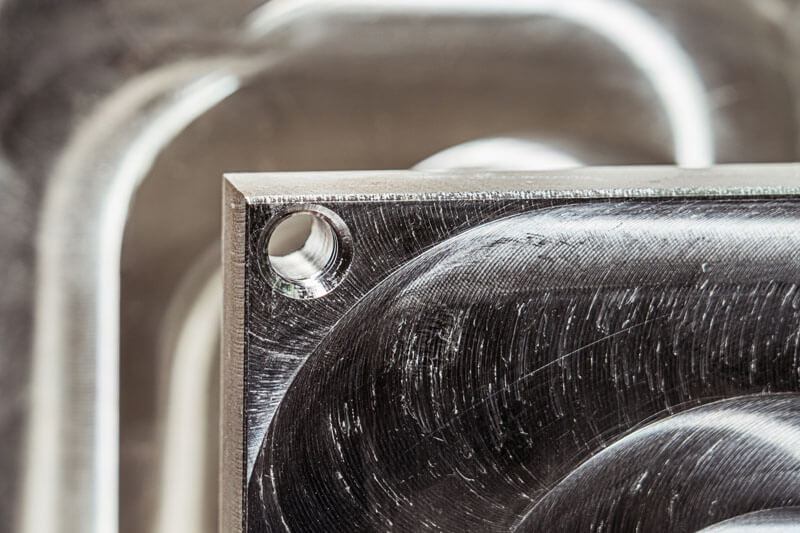
Modern CNC milling services in NZ often integrate complementary fabrication technologies to enhance results. Typical capabilities include:
- High-speed CNC milling for aluminium, steel, and alloys
- Precision surface finishing for assembly-ready components
- Multi-axis machining for tight radius features
- Laser cutting support for accurate joint preparation
- Integrated fabrication workflows for industrial assemblies
This combination allows engineering teams to achieve higher productivity while maintaining strict quality standards.
Industries Supported by CNC Milling NZ
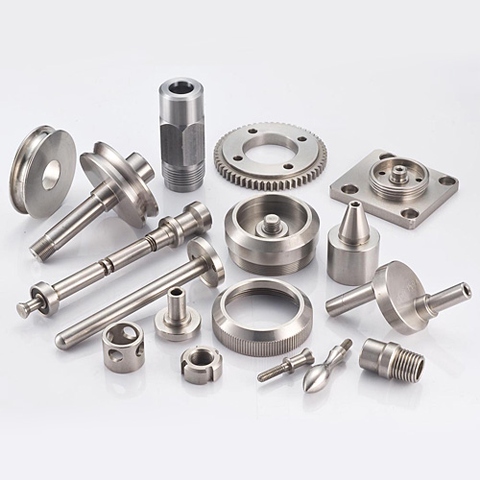

CNC milling services across New Zealand support a wide range of sectors requiring reliable machining performance:
- Heavy equipment and industrial machinery
- Automotive and transport engineering
- Hydraulic cylinder manufacturing
- Heat exchanger component fabrication
- Structural fabrication and engineering projects
Precision milling enables consistent performance even in demanding environments where durability and accuracy are critical.
The CNC Milling Process — From Design to Delivery

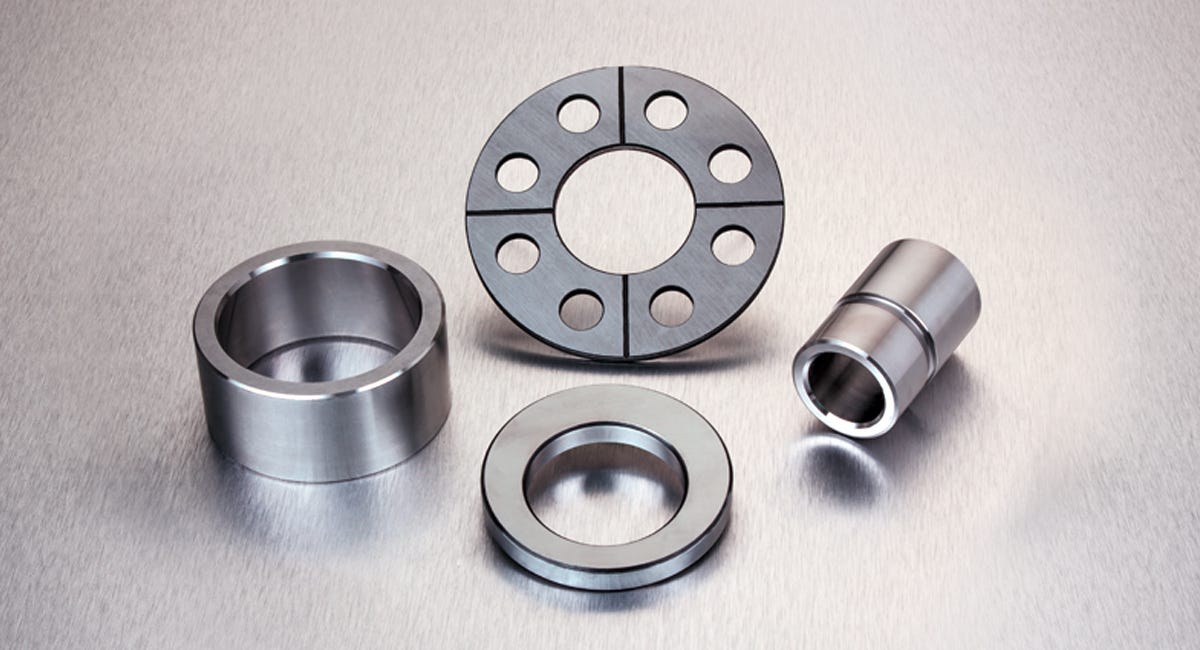
A professional CNC milling workflow typically follows structured engineering stages:
- CAD/CAM programming and toolpath optimization
- Material preparation and fixture setup
- Precision CNC milling with multi-axis control
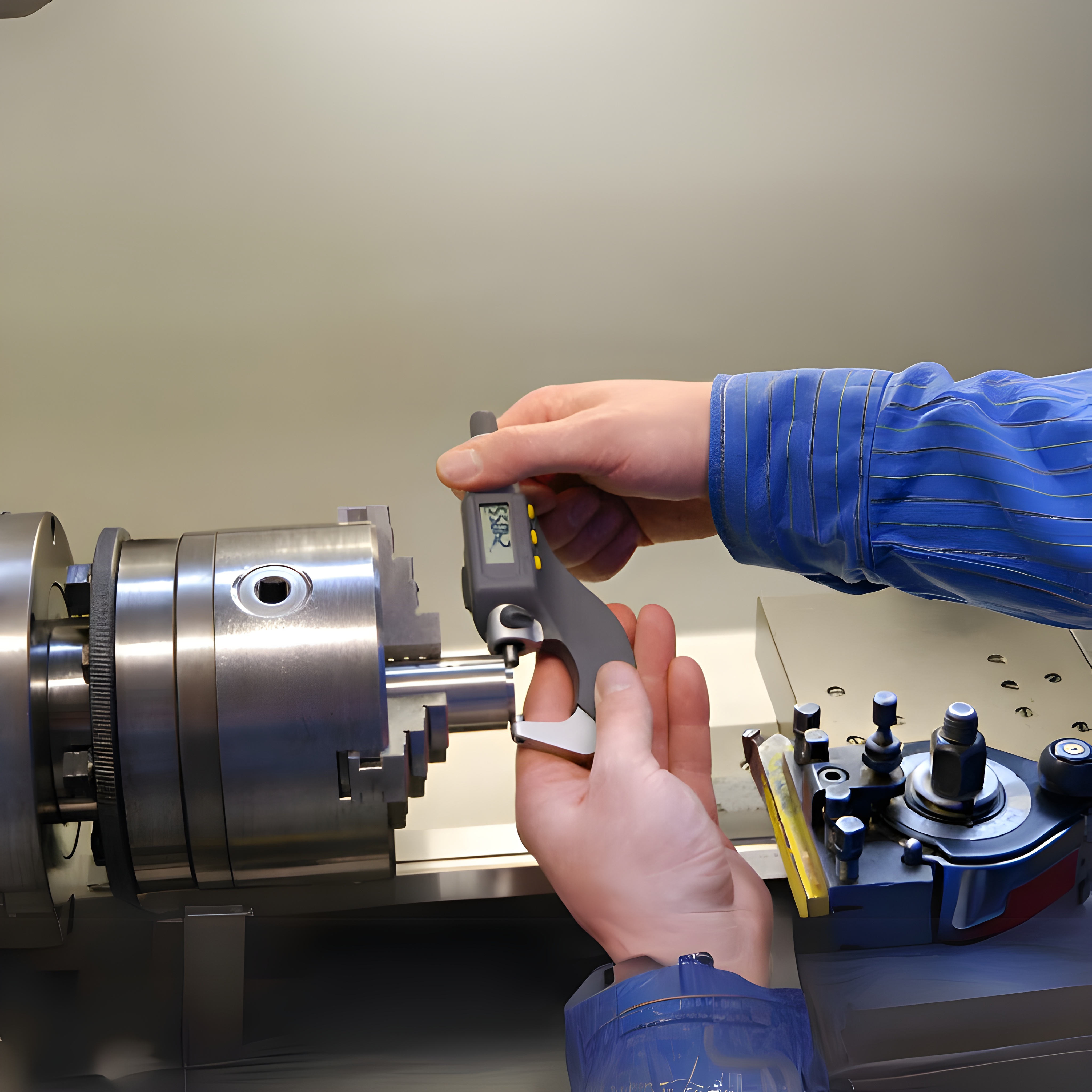
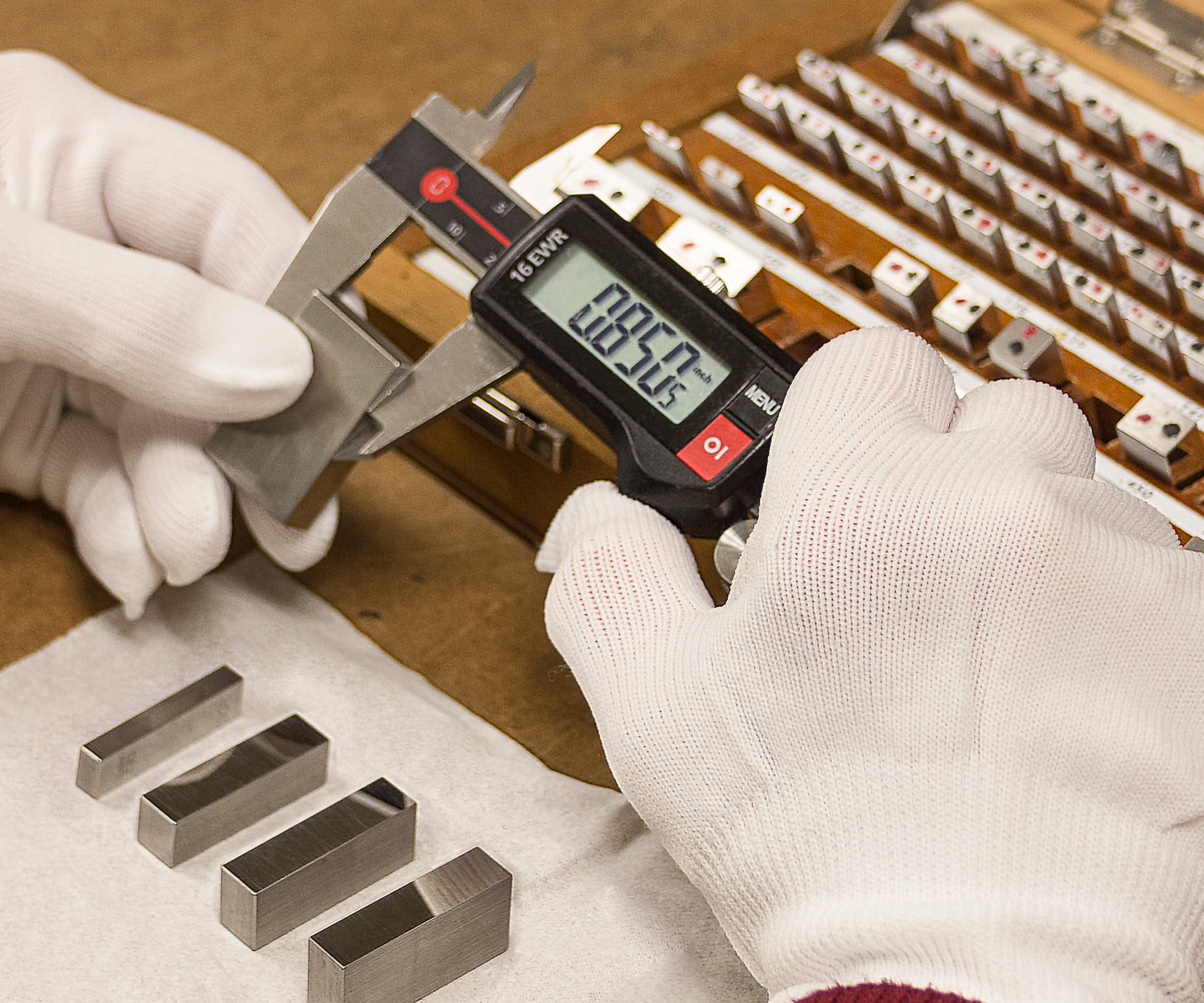
- Dimensional inspection and quality verification
- Finishing processes before final delivery
This systematic approach ensures parts meet strict tolerance requirements while maintaining production efficiency.
Final Thoughts
CNC milling in NZ continues to play a vital role in modern fabrication, enabling manufacturers to achieve consistent quality, scalable production, and advanced engineering outcomes. With the right machining strategy, businesses can enhance product performance while reducing long-term production costs.